
173 cities · 81 countries
1,988 reported scam patterns, mapped to where they happen — next to the places, food and transport worth your time in the same city.
Every warning says where it came from. Nothing here names a business as a wrongdoer.
Jim Thompson House — Deror_avi, CC BY-SA 3.0
Most travel apps tell you where to go. Most scam lists tell you what to avoid. Reading them separately is how people get caught — the queue for the temple and the man selling tickets to it are in the same place at the same time.
Reports carry a location, so the app can tell you what has been reported in the streets around you rather than in the city generally.
Entries carry the scam that goes with them. The temple entry tells you about the man outside it saying the temple is closed today.
Which booking apps actually work in each country, and which of them settle the price up front so the meter is not a negotiation.
Each entry is labelled as traveller-reported, editorially compiled, or surfaced from public reviews and checked. Anyone can dispute one and get a written answer.
The whole corpus is on the web with no sign-in and no app required. Every city has five pages: the scams reported there, the places worth visiting, the food to try, the customs to know, and how to get around — 5,664 entries in total.
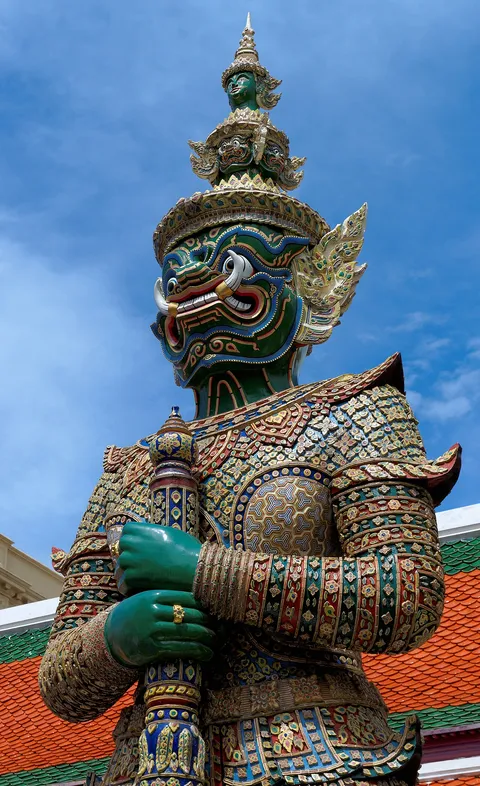 BangkokThailand · 32 scams covered
 RomeItaly · 23 scams covered
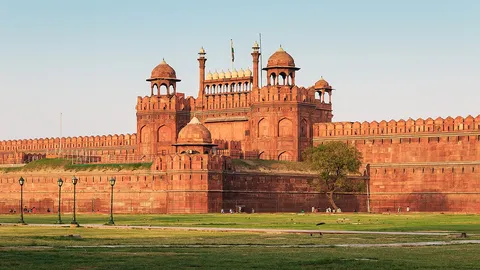 DelhiIndia · 19 scams covered
 PattayaThailand · 19 scams covered
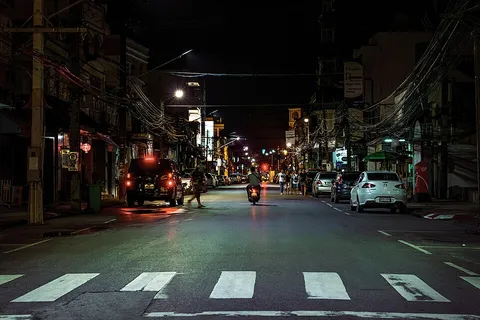 PhuketThailand · 19 scams covered
 CartagenaColombia · 18 scams covered
 HanoiVietnam · 18 scams covered
 Ho Chi Minh CityVietnam · 18 scams covered
 KrakowPoland · 18 scams covered
 Kuta / Denpasar, BaliIndonesia · 18 scams covered
 MedellínColombia · 18 scams covered
 VeniceItaly · 18 scams covered
173 cities in your pocket, with alerts for the streets you are actually standing in.